Village News
Aged Care in New Zealand: Planning well for what comes next
17 April 2026
New Zealand is ageing, and that is something to be proud of. We are living longer, healthier lives, staying active in our communities, and redefining what later life can look like. Many people living in retirement villages are doing exactly what most of us hope for: living independently, connected, and confident about the future.
At the same time, it is worth understanding how the aged care system that supports us when our needs change is evolving.
Aged residential care today looks very different from what it did even a decade ago. People are entering care later in life, often in their mid-80s, and usually with more complex health needs. Stays tend to be shorter, but the care required during that time is more intensive.
As a result, aged residential care is no longer a peripheral social service. It has become essential health infrastructure, closely linked with hospitals, community services and most importantly, the care provided every day by spouses and families.
Spouses are most often the first line of care. Across New Zealand, tens of thousands of older people are supported at home by a partner who manages daily care, medications, appointments, and the gradual adjustments that come with declining health and increasing frailty. Many do so for years before residential care is needed. When that support reaches its limits, families and whānau step in.
Residential care exists not to replace this care, but to support it by providing skilled, round-the-clock care when needs can no longer be safely managed at home. When the system works well, people move into the right care, at the right time, in the right place. Spouses and families are supported rather than overwhelmed, hospitals function better, and older people receive care with dignity.
When it does not, pressure builds — first on partners and families, and then across the wider health system. The challenge facing aged care is not a lack of solutions; it is whether those who control New Zealand’s health funding and system settings choose to act on what is already well understood. The reality is that many of the solutions needed to strengthen aged care in New Zealand are not new. We know how to design services that respond to higher and more complex needs. We know how to better integrate residential care with hospitals and community services. We know how vital a skilled, supported workforce is to deliver good care. What has been missing is not ideas, but consistent follow-through beyond a single parliamentary term.
Long-term systems like aged care require policy stability, sustained commitment, and implementation that is not undone or diluted with each change of government.
New Zealand also lacks a clear, shared evidence base about the true cost of delivering the level of care older people now require. Funding settings were designed for a different era. Without robust, independent information, it becomes difficult for governments and Members of Parliament to advance the necessary changes with confidence, even when there is broad agreement that the system is under strain.
There are some encouraging signs. The Government has established a Ministerial Advisory Group to examine how aged residential care, home-based care, and disability services interact, with the intention of reporting back with recommendations. Industry bodies, including the New Zealand Aged Care Association, have long been advocating for reform that better reflects clinical reality, demographic change, and the needs of families.
These are important steps, but advice alone does not change outcomes. What matters is whether evidence-based recommendations are acted on, and whether reforms are carried through in a deliberate, sustained way. This is not about crisis. It is about preparation and commitment. For residents, spouses, families, and whānau, understanding this context matters. Ageing well is not only about staying independent for as long as possible; it is also about having confidence that when circumstances change, the system will be ready, properly resourced, and able to support those who step in to care first.
Staying informed, asking thoughtful questions of local electorate MPs, particularly in an election year, and taking an interest in how aged care is planned and funded, all help ensure these issues remain visible and well understood.
That is a future worth planning for together.
About the author
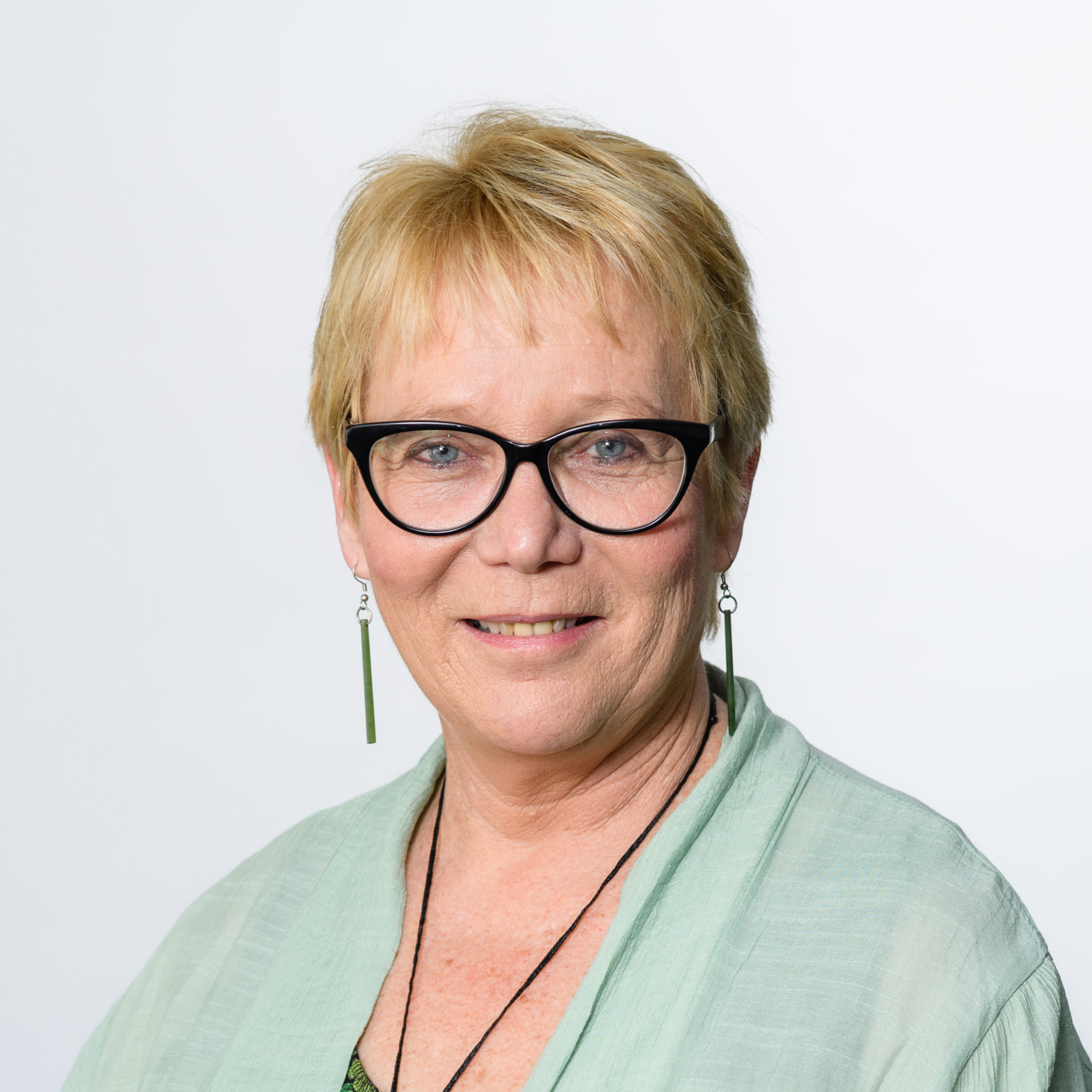
Hon Tracey Martin is Chief Executive of the Aged Care Association, the national organisation representing aged residential care providers across New Zealand. A former Minister of Seniors, she brings extensive experience in public policy, governance, and ageing-related issues, and works with providers, health agencies, and government to help ensure aged care services are sustainable, fair, and ready for the future.