Village News
Caring for our emotional wellbeing
17 April 2026
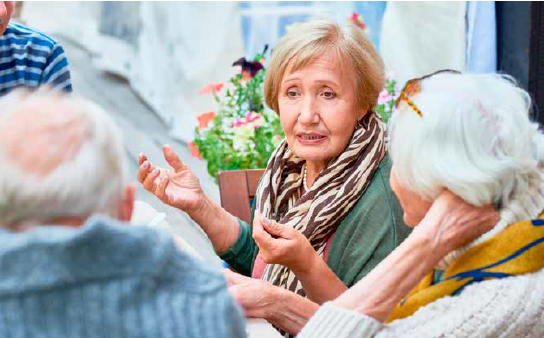
Clinical Psychologist Dr Isabelle Miclette has explored the importance of mental wellbeing in our villages. In this final instalment of her three-part series, Dr Isabelle draws together insights from her research across Metlifecare communities, highlighting the many strengths already present – and the opportunities to further support emotional wellbeing with intention and care.
Insights from recent research across Metlifecare villages.
Ageing brings change, but it also brings wisdom, perspective and connection. When we make space for honest conversations and shared understanding, we strengthen not only ourselves, but our entire village community.
Over the past year, research was carried out across several Metlifecare villages in New Zealand. Managers and staff were interviewed about something that touches every one of us at some stage of life: emotional wellbeing.
The aim was not to find fault; it was to listen. What is already working well? Where are residents thriving? And where might there be opportunities to strengthen emotional support?
The first thing that became clear is this: Metlifecare villages care deeply about their residents. Managers and staff spoke about walking groups and shared meals, volunteer drivers and buddy systems, meditation sessions, workshops, newsletters, and special events that bring people together. Residents themselves often lead activities and quietly look out for one another. That sense of community is powerful and real.
However, alongside these strengths, something else emerged: When “mental health” is discussed later in life, conversations often focus on memory and cognitive changes.
As discussed in my first Villager article, memory lapses can feel frightening. However, emotional experiences such as loneliness, grief/loss, anxiety, and adjusting to change are just as significant.
Moving into a retirement village can bring freedom, connection, and security. Yet it can also involve letting go of a long-time family home, adapting to new routines, or navigating life after the loss of a partner or close friend. Even positive change can stir unexpected feelings.
Loneliness was frequently mentioned during the research – not dramatic loneliness, but the quieter kind. The kind that can exist even in the presence of others. Grief, too, was described as something that deserves acknowledgement. As one manager reflected, “You can fix a broken leg, but you can’t fix a broken heart.”
Importantly, this research did not uncover a crisis; it revealed an opportunity: to more intentionally support emotional wellbeing, alongside physical health and social activities. Some of the ideas that emerged from the interviews included:
- Creating safe, welcoming occasions where residents can talk openly about grief or loneliness.
- Normalising conversations about emotional wellbeing, so it feels safe to speak up.
- Offering small, facilitated resident groups to support adjustment and connection to others.
- Providing clearer information about where to seek help when feelings become overwhelming.
- Supporting staff with training to feel confident in having sensitive conversations.
Ensuring access to qualified mental health professionals, such as clinical psychologists, for residents who would benefit from specialist support.
During COVID-19, several managers shared stories of residents reassuring and helping one another through buddy systems. Peer support is thriving within village communities.
Emotional wellbeing does not require complicated systems. Often, it begins with something simple: being asked how you are really doing… and listening carefully for the answer.
Charcoal Leadership Group Ltd conducted this research with the hope of exploring how retirement communities can continue building on their existing strengths.
The life experience within these villages is invaluable. When older people share their insights, stories, and reflections, it benefits not only one another, but families, communities, and future generations.
If ever you find yourself carrying grief quietly, adjusting to change more slowly than you would like, or simply wishing someone understood what this stage of your life feels like, please remember this: within your village community, within your family, and within the wider conversation about wellbeing, you are not alone.