Village News
Spotting changes early - caring smarter, together
23 March 2026
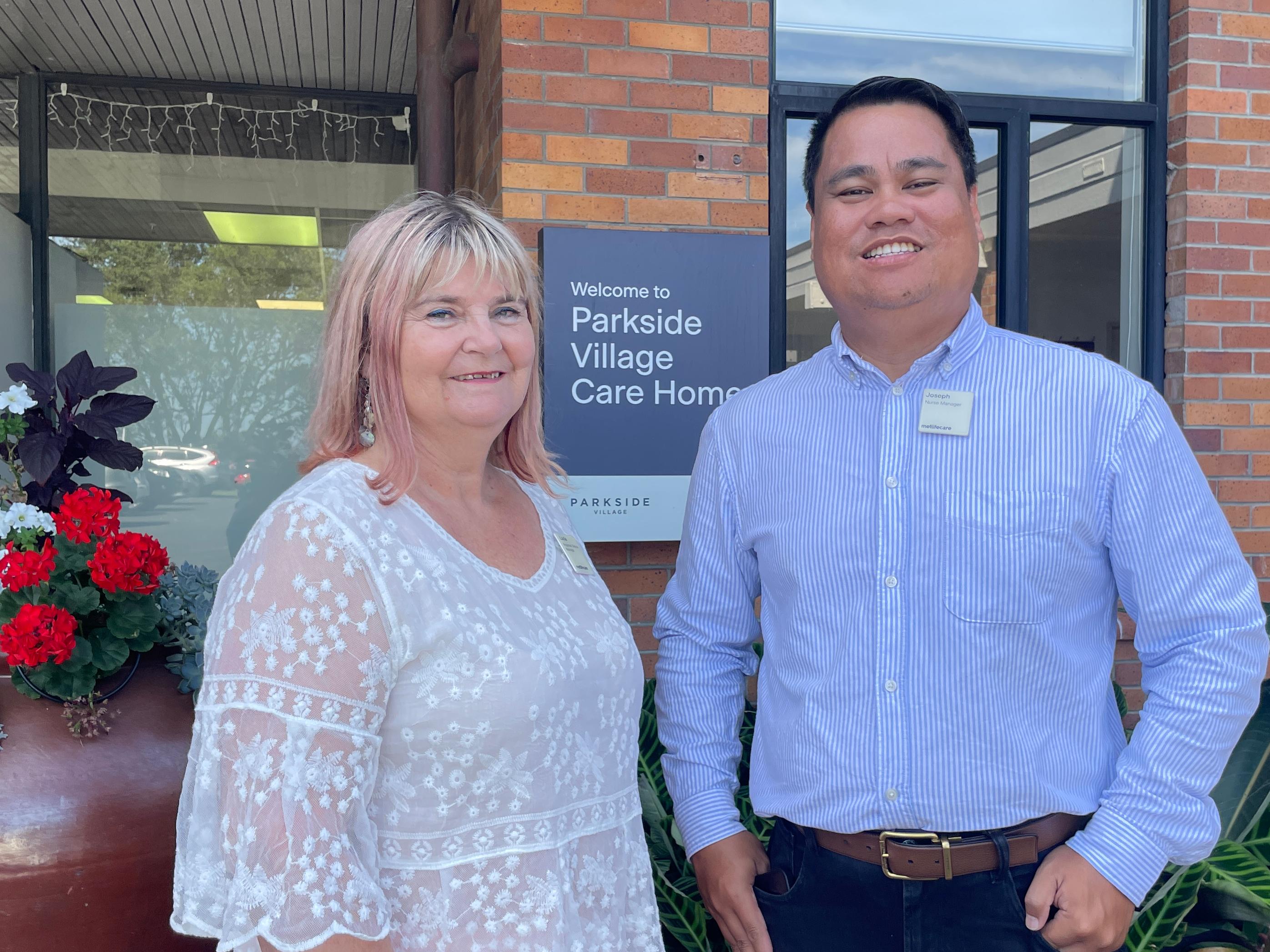
At Metlifecare, quality care is not only about how we deliver care today, but how we continuously look ahead – innovating, expanding our skills and knowledge, and contributing to new initiatives that improve care for the future. Taking part in the development of a new national initiative called the Deterioration Early Warning System (DEWS) is a great example of that.
Equivalents of DEWS have been used in public hospitals in New Zealand for many years to help clinicians detect early signs that someone may be becoming unwell and prevent further deterioration by triggering alerts. Now, thanks to two years of research and real-life trials, it’s being adapted specifically for aged residential care – and Metlifecare has proudly been part of the journey from the very beginning.
Parkside Village was one of seven care homes nationwide that volunteered to be part of the original research trial. Care team members worked closely with researchers to test a new, more holistic approach that looks beyond vital signs alone.
Alongside physical indicators, DEWS also allows carers to capture subtle ‘soft signs’ – such as a resident seeming to be more tired than usual, eating less, or an instinctive sense by the carer that something just isn’t quite right.
“Often it’s not one dramatic change, sometimes it’s a feeling that a resident isn’t their usual character,” says Parkside Nurse Manager, Joseph Ramos, who was actively involved in the trial.
“DEWS gives our teams the confidence to trust those early instincts and a clear pathway to act before a resident becomes unwell.”
In practice, the system works in two simple steps. During each shift, caregivers record any soft signs in a short checklist. If anything raises concerns, a Registered Nurse is alerted and, using the tool and their clinical judgement, decides the best next step – whether that’s ongoing monitoring, calling the GP or Nurse Practitioner or arranging hospital treatment, while also keeping the family informed.
The system can also be tailored for residents with stable long-term conditions, so it avoids unnecessary alarm. The trial results were encouraging, with research showing fewer hospital transfers and more timely primary healthcare support delivered into the care home setting – where residents are most comfortable.
Feedback from those care homes taking part in the trial has ensured that DEWS will be practical and easy for care teams to use.
“What really stood out for me was how DEWS strengthened the way we already work together,” Joseph adds. “It gave our team an enhanced framework, helping us all notice any resident behaviour changes earlier, so we can respond quickly and appropriately.”
Lucia Zidich, Regional Clinical Manager, who has been involved in the trial from the beginning says: “This project has been incredibly meaningful for me. DEWS has been shaped through genuine industry co design. With close collaboration between providers, we’ve created a digital tool that’s practical, clinically sound and designed with our care teams in mind. It’s been a privilege to be part of something that will make a real difference.”
The Health Quality and Safety Commission has endorsed DEWS for deployment in the aged residential care environment and is planning a national rollout in 2026. Metlifecare is fully engaged in this process and excited to help support its introduction across the country over the next 12 months and embedding DEWS to support our clinicians.