Village News
Market slow-down no barrier
11 May 2026
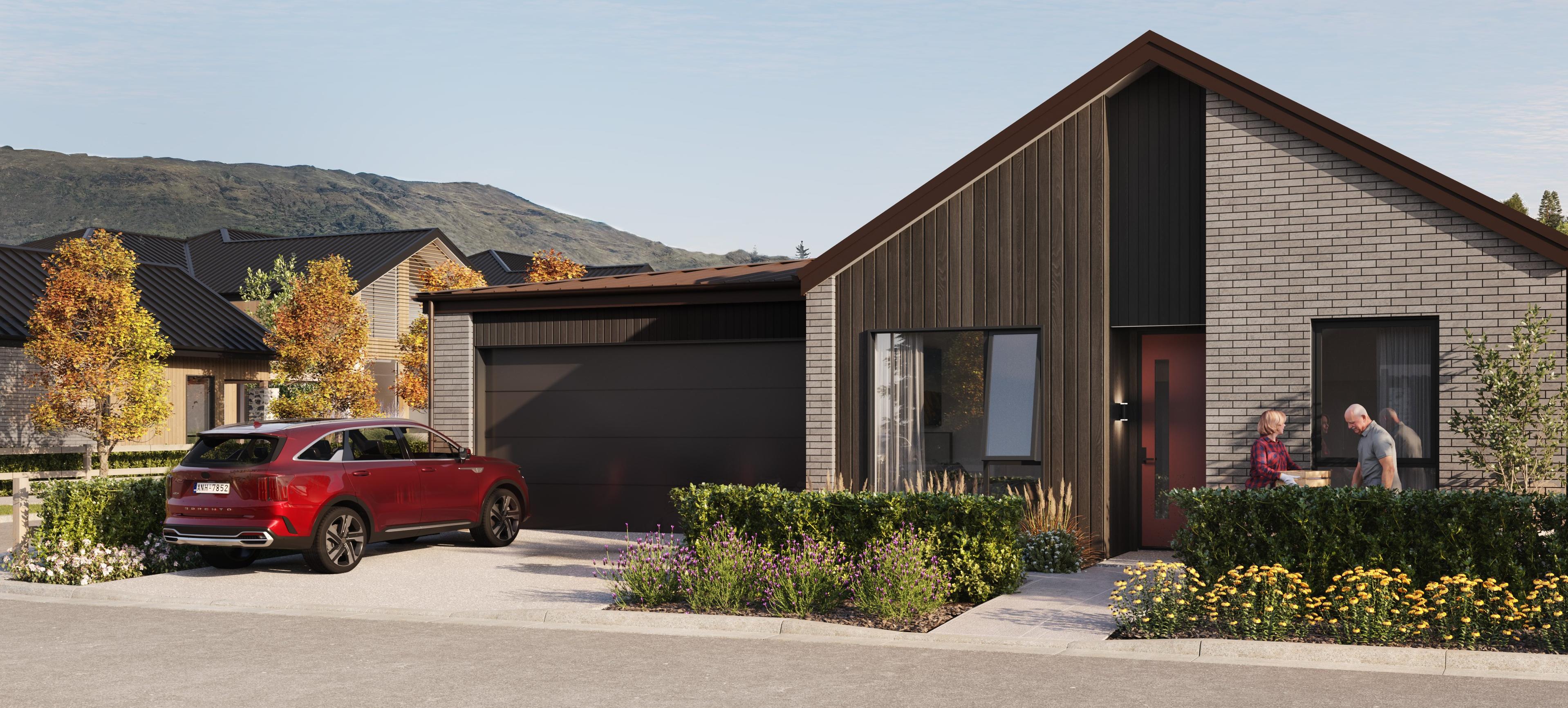
Wānaka Peaks – artist impression
First featured on NZ Herald in May 2026.
Metlifecare faces housing market headwinds with $400m investment.
A significant demand and supply mismatch of retirement units throughout New Zealand is growing every year, Earl Gasparich, CEO of retirement village operator Metlifecare says.
Having done the numbers, Gasparich says “data shows a supply shortfall in the next 20 years could climb as high as 23,000 units, as an ageing population heightens demand for quality retirement living accommodation and lifestyles.”
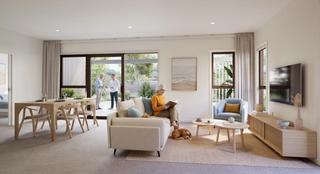
The Tides at Mangawhai – artist impression
This level of conviction in the growth of the market has led Metlifecare to continuing developing and opening new villages despite the housing market slow-down.
“We’re building and delivering new units throughout the country. While the residential property market - which underpins our customer pipeline by enabling prospective residents to sell their homes and move into a village - remains sluggish, this is not impacting the long-term demand for retirement village living,” Gasparich says.
Metlifecare is certainly not backing off. A massive $400m investment in three new retirement villages in Wānaka, Mangawhai and Rototuna in Hamilton will see the completion of the first stage at each village in the coming weeks.
At the same time, the company has plans to construct villages at a further four greenfield sites in Havelock North, Pukekohe, Napier and Whenuapai in coming years.
“These villages will not only provide much-needed independent living homes and care suites, they also reflect our confidence in the future of retirement living in New Zealand,” Gasparich says.
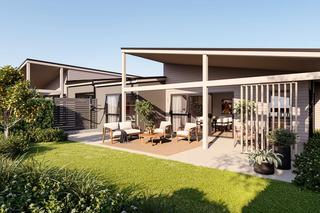
The Tides at Mangawhai – artist impression
“Despite slowed development across other parts of the retirement village sector, we believe the outlook is very strong and that these market headwinds are temporary. That’s why we’re continuing to take a long-term view, progressing both construction and investment at scale.
“We have been operating for almost 40 years and have successfully navigated market volatility during a number of interest rate cycles.”
Gasparich says the estimate of a 23,000 shortfall over the next two decades is based on the statistics that the number of Kiwis aged over 75 will more than double in that time.
“It also assumes that the same proportion of this population chooses retirement village living as today (15%), and that current operators maintain their existing build rates.”
“However, if those penetration rates increase with more people seeking retirement village living, there will be an even greater supply shortfall,” he says.
Between them the three new villages will ultimately add 332 single-level independent living units and 62 premium care suites (at rest home and hospital level) to Metlifecare’s portfolio.
Gasparich says the company’s strategy is firmly focused on building a proven, high-performing portfolio with a clear pathway for growth.
“We are deliberately targeting and selectively acquiring attractive locations, particularly in regions with high population growth, ageing demographics and hence future demand for retirement living – and Wānaka, Mangawhai and Hamilton are, we think, regions that show great potential.”
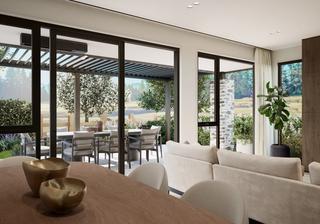
Artist impression - Wānaka Peaks
He says the three villages are examples of Metlifecare’s data-led approach to purchasing greenfield sites, underpinned by the analysis of future demographic trends, local housing markets and detailed customer research.
Metlifecare was founded in the regions of Auckland, Waikato and the Bay of Plenty and Gasparich says compared to other large operators, it has the largest proportion of its portfolio in these areas.
While these regions are expected to experience some of the strongest population growth over the coming decades, the company is also focused on geographically diversifying to ensure it is well-placed to meet demand across different regions at it emerges.
Gasparich says the next generation of residents (largely the Baby Boomer cohort) with their high levels of home ownership and a greater focus on lifestyle in retirement are well-positioned to make the transition into village living.
He says the three new villages have been in planning since their sites were acquired between 2021 and 2023. Since then, each project has progressed through a rigorous development process including design, planning and consenting to ensure the delivery of high-quality communities that meet the evolving needs of future residents.
“Retirement villages also play an important role in supporting the broader health system, providing safe, well-supported environments that help residents maintain independence while reducing pressure on public services – particularly when our residents require higher acuity care.”
Metlifecare currently operates 36 villages throughout the country along with 25 co-located care homes. It has around 7300 residents and the three new complexes will bring the total to 39 villages by June 2026.
The projects also have an impact on job creation. Gasparich says during the construction phase, a typical village supports around 140 jobs and, once operational, each employ approximately 150 people in a diverse mix of jobs ranging from clinical and care teams to management, maintenance and hospitality.
The three new villages at a glance:
Wānaka – Wānaka Peaks
A $200m investment it will, when completed, have 95 independent living units and 20 care suites. Stage 1 will deliver 28 villas.
Mangawhai – The Tides
A total investment of $110m, it will contain 160 independent living units and 20 care suites on completion. Stage 1 will deliver 32 villas.
Rototuna (Hamilton) – North Ridge Village
From an investment of $90m, the village will have 77 independent living units and 22 care suites. Stage 1 will deliver 29 villas.